


If you’re ready to own property and generate rental income, a duplex can be a smart, manageable first investment. You’ll get hands-on experience, split costs between units, and often access owner-occupant financing that lowers risk. To make it work you need a clear plan for financing, inspections, and tenants—start with…
Main Points
- Buy a duplex to live in one unit, collect rent from the other, lower vacancy risk, and gain manageable landlord experience.
- Get preapproved and compare FHA, conventional, VA, and investor loans, targeting 3.5–25% down depending on loan and occupancy.
- Project cash flow: gross rent minus vacancy reserve, operating expenses, capex, and debt service to compute NOI and cash-on-cash return.
- Do neighborhood and property due diligence: visit at different times, inspect structure/systems, review permits, taxes, and rental comps.
- Screen tenants consistently, use a state-compliant lease, document communications, and work with a CPA and attorney for tax and legal compliance.
Why a Duplex Is an Ideal Starter Investment
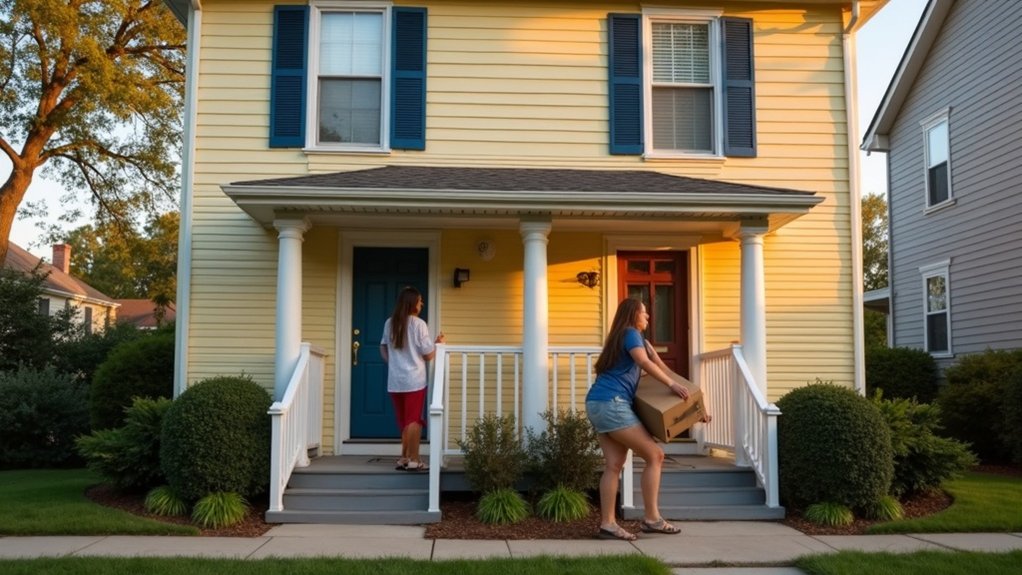
Why pick a duplex as your first rental? You get immediate income from one or two units, which helps cover mortgage and expenses. You can live in one unit to qualify for owner-occupant financing and reduce vacancy risk. Renting a second unit teaches property management on a manageable scale, and maintenance costs split across units. Tax benefits like depreciation and deductible interest improve cash flow. Lenders often view duplexes favorably, easing financing. Resale flexibility and portfolio scalability make duplexes a practical, lower-risk step into real estate investing. You’ll build equity and experience while limiting exposure to risk, steadily gaining.
Assessing Neighborhoods and Market Demand
Now that you understand the financial and practical benefits of a duplex, your next move is to evaluate neighborhoods and market demand before making an offer. Visit at different times, note safety, noise, upkeep, and nearby amenities. Check school quality, transit access, and local employment trends that attract renters. Review vacancy rates, rent comparables, and tenant demographics to match unit layout to demand. Investigate zoning, planned developments, and property taxes that could affect desirability. Talk with local agents, property managers, and residents for on-the-ground insight. Prioritize areas where demand outpaces supply to protect occupancy and long-term appreciation and resale.
Calculating Cash Flow and Return Metrics
How much will this duplex actually put in your pocket each month? Start with gross rent from both units, subtract vacancy reserve, then tally operating expenses: taxes, insurance, maintenance, utilities you cover, and management. The result is net operating income (NOI). Subtract capital expenditures and debt service to get real cash flow. For returns, calculate cap rate by dividing NOI by purchase price, and compute cash-on-cash return using annual pre-tax cash flow divided by your actual cash invested. Track these metrics to compare deals and decide whether the duplex meets your income and risk goals before making a choice.
Financing Options and Loan Requirements
You’ll compare FHA, conventional, and portfolio loans to see which fits your duplex strategy.
You’ll need to plan for down payments that vary by loan type—often lower on FHA but higher for investment-focused products.
Lenders will also check your income stability and credit score, so gather pay stubs, tax returns, and credit documentation before you apply.
Loan Types Explained
Often you’ll rely on a few core loan types when buying a duplex—conventional mortgages, FHA loans, VA loans, and specialized investor loans—each with different down payments, credit and income rules, and owner-occupancy requirements. You should compare fixed-rate and adjustable-rate options, qualification standards, and mortgage insurance rules. Conventional loans favor stronger credit and lower debt-to-income ratios; FHA accepts lower scores but requires mortgage insurance; VA offers favorable terms if eligible. Investor or portfolio loans and private/hard-money lenders give flexibility if you don’t fit standard criteria. Expect income documentation, appraisal requirements, and lender reserve expectations when you apply and timely communication.
Down Payment Requirements
Wondering what you’ll need upfront to buy a duplex? Down payment varies by loan type and your intended occupancy. FHA lets owner-occupants put as little as 3.5% down on a two‑unit property, while VA-qualified buyers may use zero down.
Conventional loans often require 15–25% for duplexes, and lenders may ask more if it’s a non‑owner‑occupied investment. Some portfolio or local bank programs offer flexible terms, but expect higher rates or PMI with lower down payments.
Save for closing costs and reserves too, and compare lenders to find the best combination of down payment and loan terms and timing flexibility.
Income and Credit
How strong are your income and credit on paper? Lenders evaluate stable employment, consistent rental or salary history, and debt-to-income ratios. You’ll need documented income—W-2s, tax returns, or profit-and-loss statements if self-employed.
Aim for a FICO score that meets program minimums: conventional loans often want 620+, FHA accepts lower with mortgage insurance, and VA offers flexible terms. Reduce outstanding debts, avoid new credit inquiries, and build reserves to improve approval odds. If you fall short, consider a co-signer, higher down payment, or alternative lenders that factor rental income and future cash flow. Shop lenders and get preapproval before shopping.
Evaluating Property Condition and Inspection Priorities
Why focus on the roof, foundation, and major systems first? You want safety, liability control, and predictable maintenance. Prioritize inspector reports for roof, structural, electrical, plumbing, and HVAC. Note moisture, pest evidence, and drainage issues that drive urgent repairs. Walk units with a checklist, ask sellers about past permits and replacements, and demand clear service records. Use professional inspectors for major systems and rely on your judgment for cosmetic items. Quick, focused inspections protect cash flow and tenant retention.
| Priority | What to check |
|---|---|
| Structural | Foundation, framing, roof |
| Systems | Electrical, plumbing, HVAC |
Don’t skip inspector recommendations; document everything thoroughly now.
Creating a Realistic Budget for Repairs and Reserves
You’ll estimate immediate repair costs from the inspection so you know what must be fixed before tenants move in.
Then set a scheduled maintenance budget for routine items like HVAC, roofing, and landscaping to keep the building in good shape.
Finally, calculate an emergency reserve—often several months of operating expenses—to cover unexpected major repairs or vacancy periods.
Immediate Repair Costs
When you close on a duplex, immediate repair costs can eat your cash quickly if you don’t plan ahead. You should budget for inspection-identified priorities, emergency fixes and permit-related work. Get three contractor bids, reserve cash for hidden issues, and prioritize tenant-safety items first. Use a conservative estimate—inflate quotes by 20%—and keep receipts. Don’t defer safety repairs hoping rents cover costs. Plan a short-term repair fund separate from long-term maintenance. Follow this checklist:
- Priority safety/structural fixes
- Multiple bids + contingency (≈20%)
- Permit fees & immediate supplies
Stick to the budget and you’ll protect your cash flow
Scheduled Maintenance Budget
How much should you set aside each year for repairs and reserves? A practical rule is to budget 1–3% of property value or $250–$500 per unit monthly, adjusted for age and systems. Inspect HVAC, roof, plumbing and appliances; list expected maintenance and lifespans. Allocate annual line items for painting, gutters, HVAC tune-ups and prorate multi-year replacements into yearly savings. Track expenses, update estimates yearly, and keep a separate reserve account to avoid cash-flow shocks. If tenants cover services, you’ll reduce amounts accordingly. Conservative budgeting keeps your duplex competitive and financially resilient. Review rates seasonally and adjust for local market.
Emergency Reserve Calculation
Why do you need a dedicated emergency reserve for your duplex? You’ll face sudden repairs, vacancy gaps, and unexpected legal or HVAC costs. Calculate reserves by estimating likely events and adding margin. Use three approaches to set a practical fund:
- 3–6 months of operating expenses.
- $1,000–$5,000 per unit for capital repairs.
- 5–10% of annual rent as contingency.
Track spending, keep reserves liquid, and review annually. If you use conservative estimates you’ll avoid cash crunches and protect cash flow and tenant relationships while building long-term stability. Start with savings now, increase after first-year performance, and document your assumptions regularly reviewed.
Tenant Screening and Lease Best Practices
Where do you start with tenant screening and lease setup to protect your income and minimize headaches? Begin by advertising accurately, vetting applicants with credit, criminal, and eviction checks, and requiring proof of income and references.
Interview tenants, verify employment, and call prior landlords. Use a clear, state-compliant lease that specifies rent, due dates, late fees, maintenance responsibilities, pets, and notice periods. Include move-in checklist and security deposit terms. Document everything—applications, communications, repairs. Set consistent, legal screening criteria to avoid discrimination. Proper screening and a solid lease reduce turnover, disputes, and unpaid rent. You’ll sleep easier and earn reliably.
Tax Benefits and Strategies for Duplex Owners
After you’ve set strong tenant screening and leases, protect your cash flow by using tax rules that favor rental owners. You can deduct mortgage interest, property taxes, and operating expenses to lower taxable income. Depreciation spreads building cost over years, reducing tax now while you hold. Consider cost segregation to accelerate depreciation, and use 1031 exchanges to defer capital gains when you sell. Work with a CPA who understands rentals and keeps records current. Annually review strategy with your CPA to adjust for changes.
- Track expenses and receipts.
- Maximize depreciation strategies.
- Plan sales with 1031 exchanges.
Common Pitfalls and How to Avoid Them
How do you avoid costly mistakes when buying your first duplex? Do thorough due diligence: inspect structure, systems, and zoning. Run realistic cashflow projections, include vacancy and repair reserves. Verify rental demand and comparable rents. Use a skilled inspector and attorney, and get mortgage preapproval. Don’t overpay chasing dreams; set clear purchase criteria and walk away when numbers don’t work. Factor in management time or hire a property manager. Understand tax and insurance implications. Build an emergency fund and schedule regular maintenance. Learning from mentors and starting conservatively reduces risk and protects your investment over the long term consistently.
Frequently Asked Questions
Should I Form an LLC or Keep Personal Ownership for a Duplex?
You’ll want to form an LLC for a duplex for liability protection, tax flexibility, and separation from personal assets; keep personal ownership for simplicity, easier financing, lower setup costs — weigh risks, also consult attorney.
What Insurance Policies Are Essential for Duplex Owners?
Funny timing — you need landlord insurance, property/hazard coverage, liability, loss of rent, and umbrella policies, and consider flood and earthquake riders; you’ll want tenant screening and renters’ policies to reduce claims and protect your investment
How Do Local Zoning Rules Affect Duplex Rental Conversions or Use?
Local zoning rules determine whether you can convert or rent a duplex, dictate unit counts, parking, setbacks, occupancy limits, may often require permits or variances, so you’ll need to check local codes and get approvals.
Where Can I Find Motivated Sellers or Off‑Market Duplex Opportunities?
Search county tax records, probate filings, and foreclosure lists, and network with wholesalers, agents, landlords, contractors, and eviction attorneys; you’ll also find leads via direct‑mail, driving for dollars, bandit signs, online classifieds, and investor meetups.
What Exit Strategies Maximize Profit When Selling a Duplex?
If you believe flipping always maximizes profit, that’s often false; you should use 1031 exchanges, seller financing, strategic value‑add flipping, studio conversions, or convert to a long‑term rental while optimizing rents and expenses before selling.
Read The Next Blog Post –
You’ll find a duplex is your bridge to building wealth: one unit helps pay the mortgage while the other teaches you landlord skills. Stay disciplined—research neighborhoods, run the numbers, budget for repairs, and screen tenants carefully. Use owner-occupant loans when possible and keep reserves for vacancies. If you treat this as both a home and a business, you’ll gain cash flow, experience, and optional tax benefits, turning risk into a manageable, rewarding journey for you.


